Introspection for Reliable Localisation
A localisation system that is usually right is not enough for safety-critical robots. They need to know when they are likely to be wrong.
Why it matters
Visual place recognition systems output a best match for every query, even when that match is wrong. Introspection gives the robot a sense of its own reliability: whether a match should be accepted, which technique or map to use, and when to fall back to a safer behaviour.
Approach
- Calibrated operating points. Dhyey Manish Rajani’s work on uncertainty estimation selects matching thresholds that transfer reliably to new environments, so that a target precision set in the lab still holds in deployment.
- Multi-modal sensor introspection. Margaux Edwards is developing methods that monitor several sensors at once to predict, and recover from, place recognition failures.
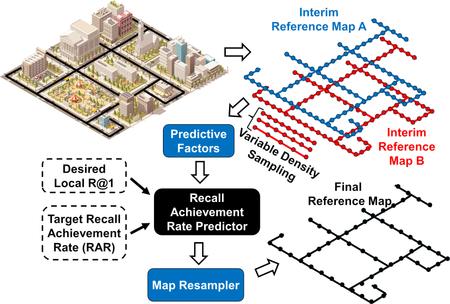
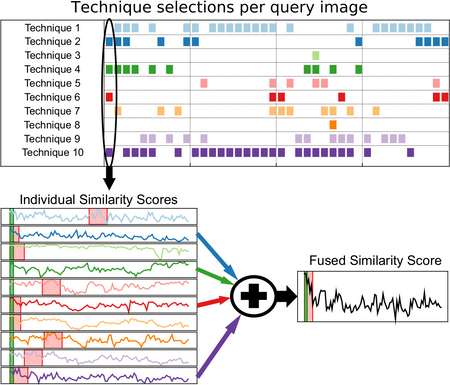
- Predicting performance before it matters. We predict whether sequence matching will help for a given query, choose map densities that perform well locally, and select the most complementary technique from an ensemble.
Introspection is a core part of my ARC DECRA Fellowship on adaptive and efficient robot positioning.
Team
Members of my group at the QUT Centre for Robotics and close collaborators.

Lead
 Michael Milford
Collaborator

PhD student

PhD student

Postdoc

Former PhD student

More projects
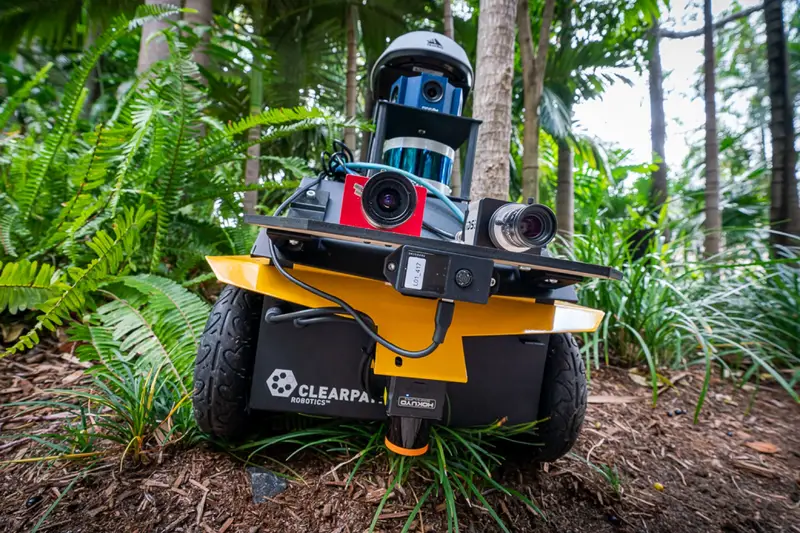
Brain-Inspired Positioning for Fast, Energy-Efficient, Resilient Robotics
The world’s first sub-millisecond, energy-efficient robot positioning system, using brain-inspired sensing and computation that only happens when the scene changes.
Learn More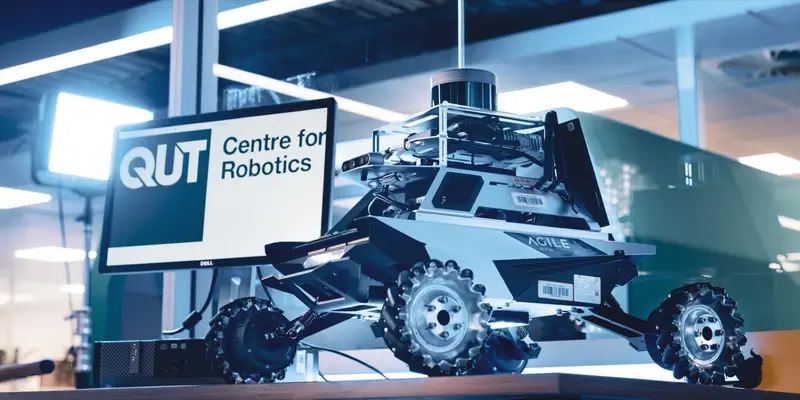
Adaptive and Efficient Robot Positioning Through Model and Task Fusion
Fit-for-purpose positioning systems that continuously adapt to diverse and changing environments, and are energy efficient enough for edge devices.
Learn More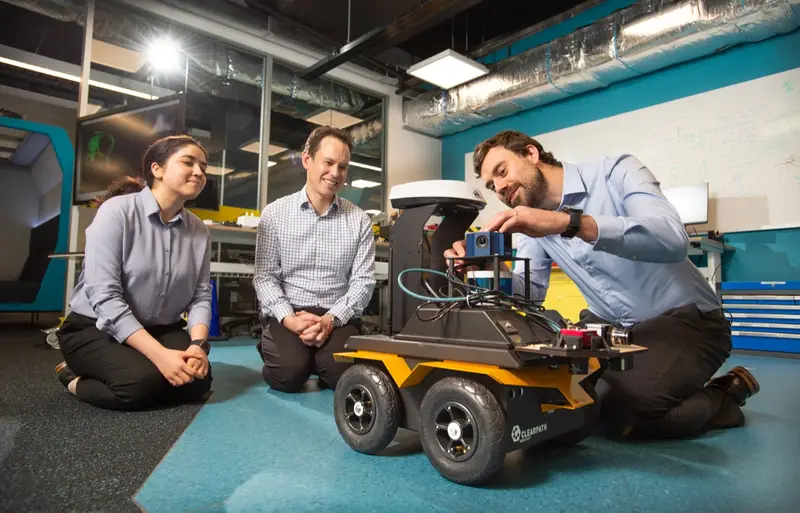
Neuromorphic Place Recognition
Spiking neural networks that recognise places on neuromorphic hardware, using a fraction of the usual energy.
Learn More