Research
My team develops robots that know where they are and understand what they see, efficiently enough to run for long missions far from the cloud. The software we build along the way is on the Open Source page.
Robot localisation & neuromorphic computing
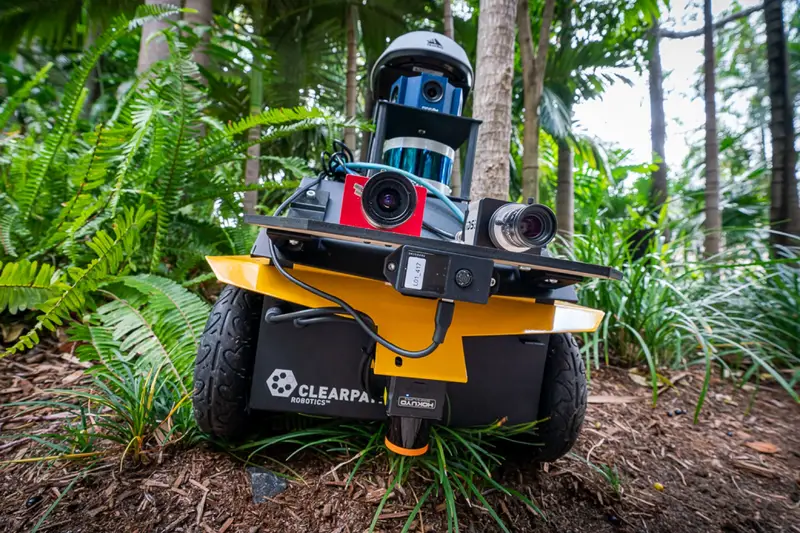
Brain-Inspired Positioning for Fast, Energy-Efficient, Resilient Robotics
The world’s first sub-millisecond, energy-efficient robot positioning system, using brain-inspired sensing and computation that only happens when the scene changes.
Learn More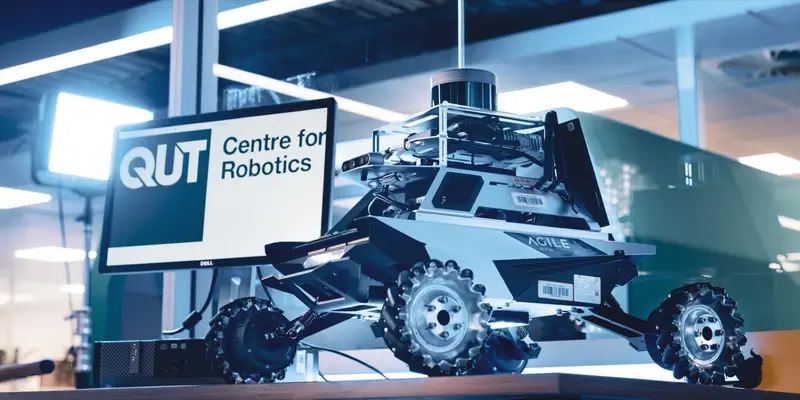
Adaptive and Efficient Robot Positioning Through Model and Task Fusion
Fit-for-purpose positioning systems that continuously adapt to diverse and changing environments, and are energy efficient enough for edge devices.
Learn More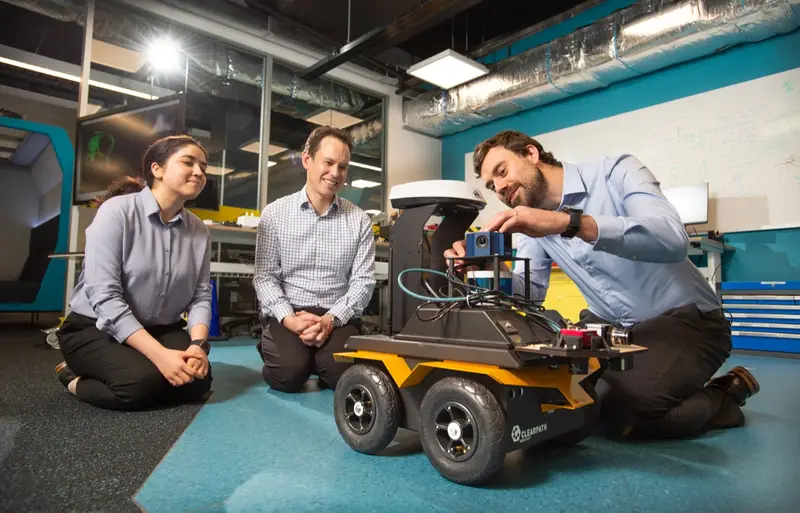
Neuromorphic Place Recognition
Spiking neural networks that recognise places on neuromorphic hardware, using a fraction of the usual energy.
Learn More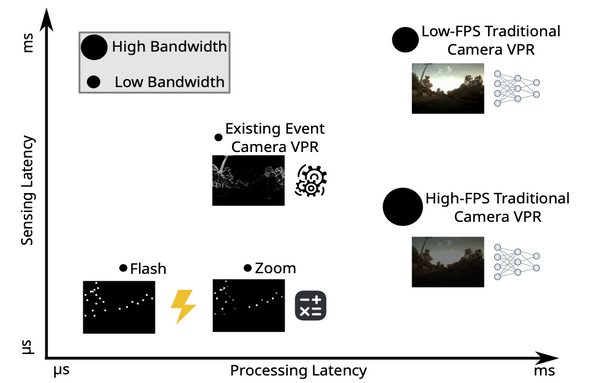
Event Cameras for Fast Localisation
Sensors that report only what changes, for sub-millisecond localisation in difficult lighting.
Learn More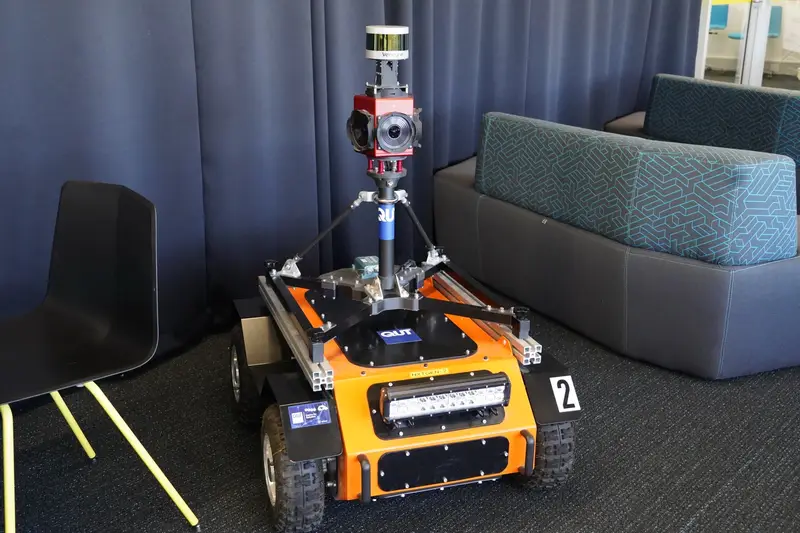
Robust Visual Place Recognition
Recognising places across seasons, day and night, and large changes in viewpoint, and knowing when to trust the answer.
Learn More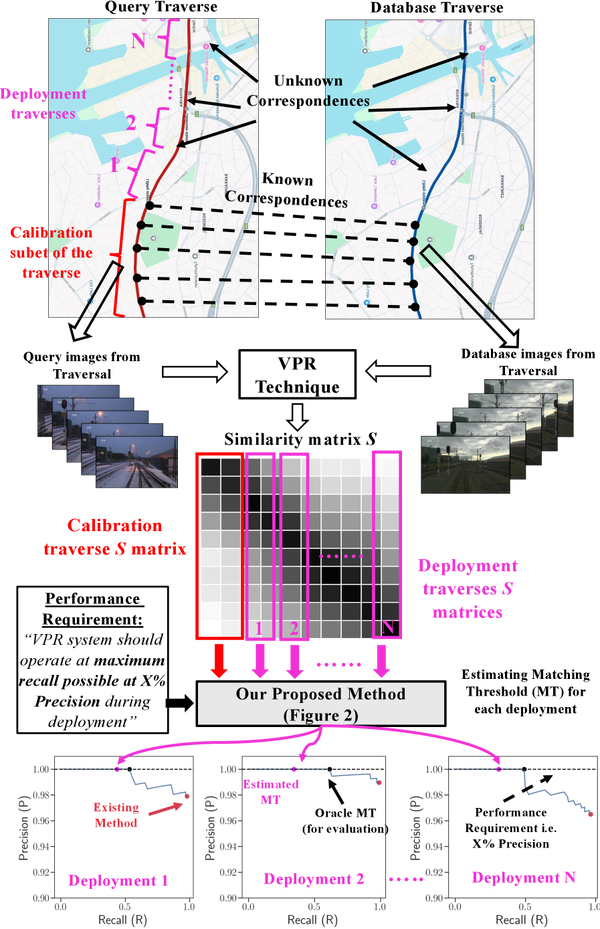
Introspection for Reliable Localisation
Robots that know when their localisation can be trusted, and adapt before it fails.
Learn More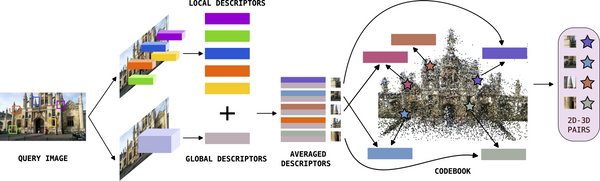
Visual Localisation and 3D Mapping
Precise camera pose estimation and reliable maps that hold up over months of appearance change.
Learn More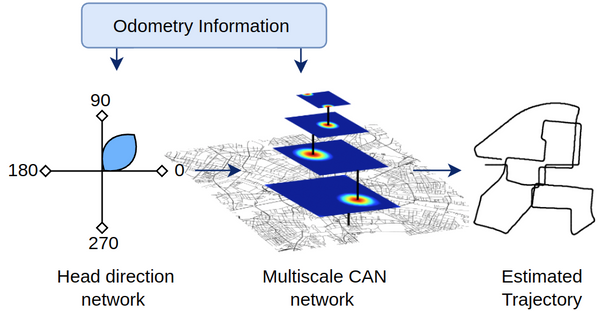
Bio-inspired Navigation
Teach-and-repeat navigation and continuous attractor networks inspired by how animals find their way.
Learn MoreUnderwater perception & reef restoration
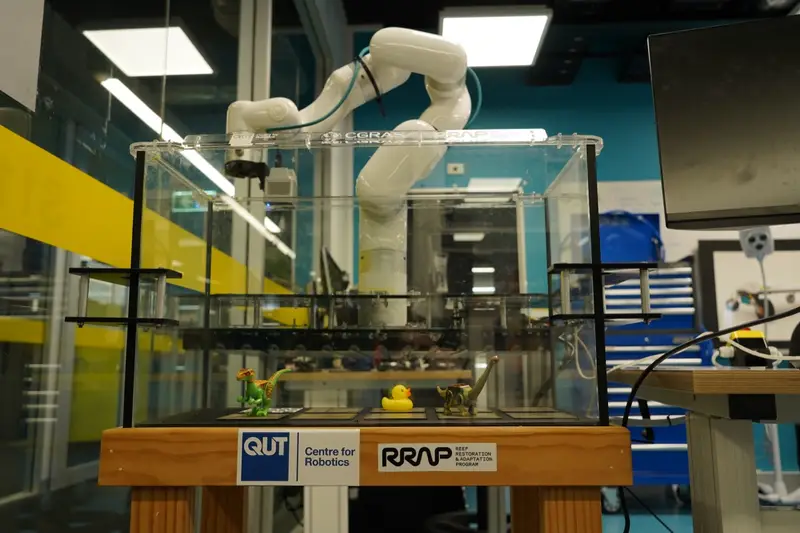
Reef Guidance System
AI that decides in real time where coral seeding devices should be dispensed on the Great Barrier Reef.
Learn More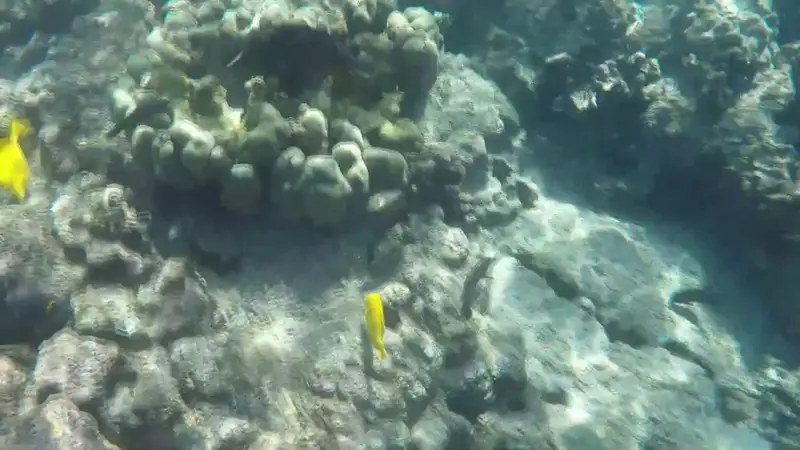
Reef Scene Understanding
Segmenting corals, seagrass and marine species from just a handful of labels per image.
Learn More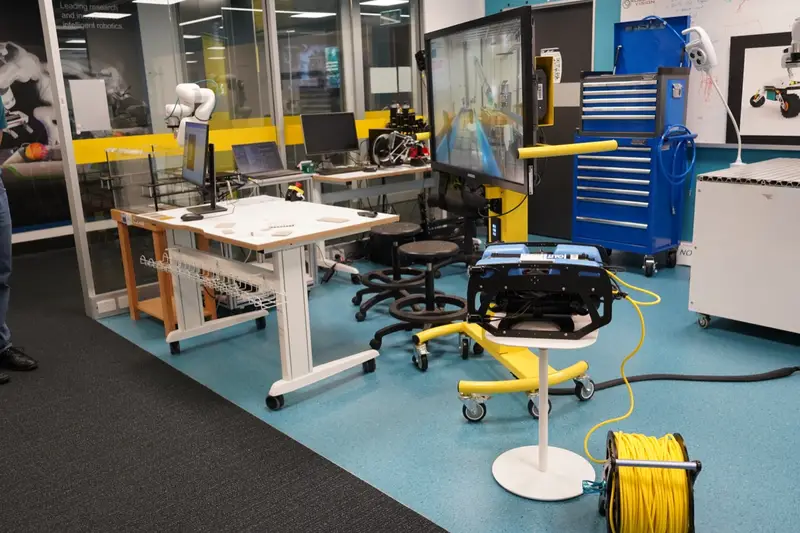
Underwater Relocalisation and Mapping
Revisiting the same reef sites over months and years to detect and measure change.
Learn More